Breaking Up With Your God: The Player's Guide to a Clean Patron Switch

Photo: Andy Beecroft, CC BY-SA 2.0, via Wikimedia Commons
Most players treat their deity like a starter apartment: you sign the lease at level 1, and you don't really think about it until the water heater explodes. But sometimes the campaign pushes you somewhere your old patron can't follow. Your war god wants conquest; your party just brokered a peace treaty. Your trickster god wants chaos; you've developed a conscience somewhere around level 9. Suddenly, you're staring at the fantasy equivalent of a breakup text — except the other party can see through time and smite you from orbit.
Here's the truth nobody puts in the player's handbook: switching patrons is less about the mechanics and more about the drama. Let's walk through both.
Why Characters Actually Jump Ship
The reasons are rarely as clean as "alignment drift." Usually it's a slow accumulation of small betrayals. Your deity ignored three prayers in a row during a critical arc. The church hierarchy turned out to be running a smuggling operation out of the temple basement. Or — and this is the big one — the character simply outgrew the patron.
That last one is the most narratively rich. A level 3 cleric worships whoever the backstory template handed them. A level 11 cleric has opinions. When your character's understanding of the world deepens, the old divine arrangement can start to feel like wearing shoes from when you were twelve.
The Mechanics: Boons Don't Just Vanish
Every DM handles this differently, but there are a few common approaches worth knowing before you bring it to your table:
- The Clean Break: Old powers stop working the moment you swear to the new patron. Simple, brutal, and honestly rare, because it throws away story material.
- The Grace Period: Existing boons fade over several in-game weeks. This mirrors real-world religious deconversion and gives you a wonderful downtime activity: scrambling to prove yourself before the lights go out.
- The Conversion Arc: Nothing changes mechanically until you complete a trial, quest, or atonement-style ritual for the new deity. This is the gold standard for drama, and it turns a rules question into three sessions of material.
What you should never do is assume you can quietly stack patrons like airline miles. Most pantheons in most settings treat dual worship somewhere between "faux pas" and "high treason," depending on how jealous the deities in question are. If your old god was the possessive type, expect signs. Literal ones, possibly on fire.
The Awkward Conversation
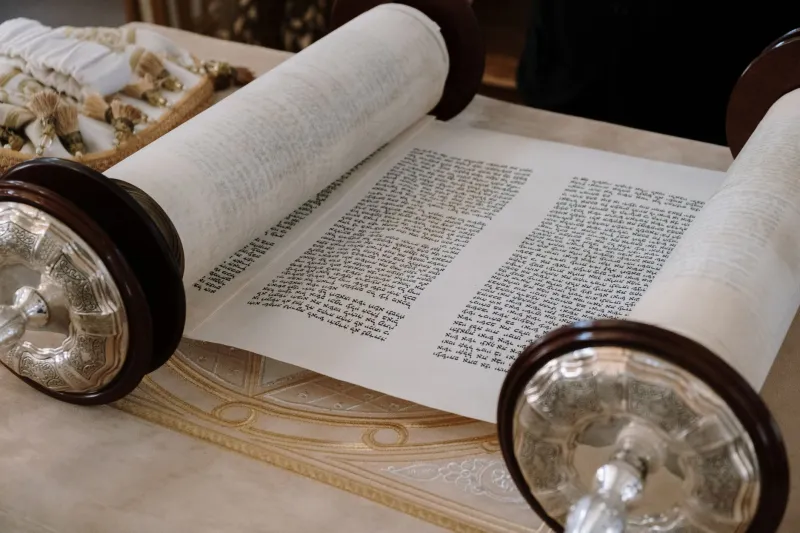
Every deity swap deserves a scene where the character formally ends things. Resist the urge to skip it. A farewell prayer — or worse, a divine visitation where your former patron shows up to ask what went wrong — is roleplay gold. Some patrons take it gracefully. Some go cold and bureaucratic, revoking boons via a herald who reads from a scroll. Some take it personally, and now you've got a villain with a grudge and a domain.
Play the scene honestly. Your character probably feels guilt, relief, or both at once, the way anyone does after leaving a relationship that shaped their entire adult life. Let the silence sit. Deities are great at silence.
The Transition Checklist
Before you make the leap, run through this with your DM:
- Inventory your boons. Write down every granted power, holy item, and standing favor. Some carry over; some are forfeit; some come with strings.
- Check your gear. That flaming sword blessed by your old patron? It may have opinions about your new direction. Holy symbols especially tend to stop working at inconvenient moments.
- Audit your allies. Fellow clergy, NPCs from the old temple, that bishop who owes you a favor — all of it changes when you change teams.
- Pick your onboarding trial. Work with your DM to design the quest that proves you to the new deity. Make it personal. Make it cost something.
- Plan your exit story. Decide how your character explains the switch to the rest of the party — and whether they tell the truth.
For the DMs: Don't Punish, Complicate
If a player wants to swap patrons, your first instinct might be to make it hurt. Resist that instinct. The interesting move isn't punishment — it's consequence. The old church sends investigators. The new deity makes requests that test the character's principles. Former friends react like family members after a messy divorce: some supportive, some furious, one showing up uninvited to Thanksgiving.
Handled well, a patron switch becomes the best arc of your campaign. Handled poorly, it's a rules argument that sours the table for a month. Choose wisely.
Ascension, Interrupted
A character's relationship with the divine should evolve the way every other part of them does — through choices that cost something and change something. If your level 10 cleric still worships the same god for the same reasons they did at level 1, that's not loyalty. That's inertia.
Sometimes the most faithful thing a mortal can do is admit the relationship isn't working anymore. The gods, as a rule, respect honesty.
They just don't always respect it quietly.