From Battlefields to Bottomless Mimosas: How the War Gods Learned to Love Brunch
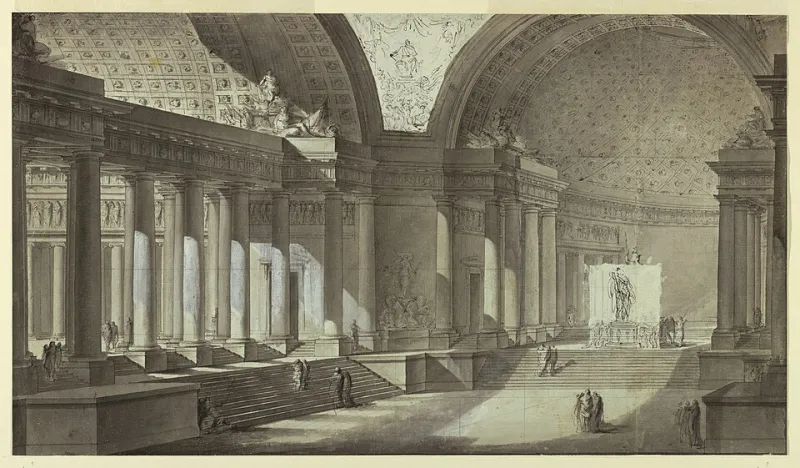
Photo: Unknown artistUnknown artist, Public domain, via Wikimedia Commons
Somewhere in the last three editions of your favorite tabletop setting, something quietly changed in the pantheon. The god who once demanded blood-soaked banners now has a curated Instagram presence featuring latte art shaped like crossed swords. If your cleric's patron has been acting a little... chill lately, congratulations — you're witnessing a divine rebrand in real time.
Let's talk about it, because your character sheet is about to feel the effects.
The Worship Recession Is Real
Here's the lore logic nobody says out loud at the table: deities run on belief the way your local brewery runs on taproom traffic. And belief follows demographics. As mortal civilizations shift from endless border wars to, say, competitive farmers markets and influencer pilgrimage routes, the old power players lose market share.
A war god whose portfolio is 90% "glorious battle" has a problem when the biggest conflict of the era is a zoning dispute over a gnome-owned food truck. Divine revenue dips. The celestial accountants (yes, they exist — see: modrons, devas with ledgers) start sending memos. And that's when the pantheon's brand team gets involved.
Case Study: Korthax the Unyielding Presents: Korthax the Unhurried
Consider the press release that allegedly circulated through the Planes last spring:
"Korthax the Unyielding, Harbinger of the Endless Crusade, is proud to announce an expanded portfolio emphasizing mindfulness, intentional conflict, and wellness-adjacent smiting. Believers can now experience the transformative power of righteous fury through our new Mindful Smiting™ practice — a 45-minute guided meditation ending in one (1) controlled thunderclap."
Read that twice. It's the exact cadence of a legacy American brand launching a hard seltzer. And the domain-migration timeline tells the story in three acts:
- Year 1: "Strategic portfolio diversification." Korthax adds "discipline" and "morning routines" as minor domains.
- Year 3: Full lifestyle pivot. Temple architecture gets a shiplap update. Holy symbols are now available in matte.
- Year 7: The war domain quietly moves to the back of the website, next to the Terms of Service.
The lore implications are wild. Old paladins of the Order of the Crimson Banner woke up one morning to discover their oath had a new subsection about work-life balance.
The Harvest God Who Discovered Artisan Breakfast
War gods get the headlines, but the quieter pivots are arguably funnier. Take the standard grain deity — the one every village has a shrine to and nobody thinks about. Faced with stagnant worship numbers from a peasantry that mostly buys flour now, the smart harvest gods went upmarket.
We're talking sourdough starter blessings. Heritage grain covenants. One deity in a campaign I played in rebranded entirely around "the ritual of the weekend brunch," and suddenly every temple was serving shakshuka and charging admission in the form of testimonials.
Here's the genius part: brunch worship scales. A war god needs a battle. A brunch god needs a Sunday and a patio. Attendance is up 300%, the offerings table has a mimosa tier, and the deity's divine influence has never been stronger.
What This Means at Your Table
Beyond the joke, there's genuinely good roleplay material here, and it's been underused at every table I've sat at.
Your cleric's spells reflect the rebrand. If your war god pivoted, maybe your domain spells skew toward charm and sanctuary now. Play the awkward middle phase — the level 5 cleric still casting divine favor while their god's newsletter talks about "alignment with inner peace."
Schisms write themselves. The old guard who followed Korthax the Unyielding don't recognize Korthax the Unhurried. Congratulations, you have an instant antagonist faction: paladins who want the brand to "return to its roots." That's a whole campaign arc with a marketing-department villain.
The DM gets a living pantheon. Deities that respond to mortal culture feel alive in a way the static god-list in the back of the rulebook never does. If the party's bard becomes famous enough, maybe a deity launches a collab.
The Fine Print of Divinity
The best satire works because it's true: pantheons in fantasy lore have always behaved like brands. Domains are product lines. Clerics are franchisees. Holy wars were, functionally, aggressive market expansion.
So next time your party meets a temple, ask who's funding it. Check the deity's recent portfolio moves. If the god of thunder is suddenly sponsoring a wellness retreat in the Sword Coast equivalent of Sedona, you're not looking at a mystery.
You're looking at a pivot.
And if you're playing a cleric? Read the latest divine communiqué carefully before you renew that oath. The benefits package may have changed.