The Rogue Franchise Problem: When Your Local Temple Stops Answering to the Head Office
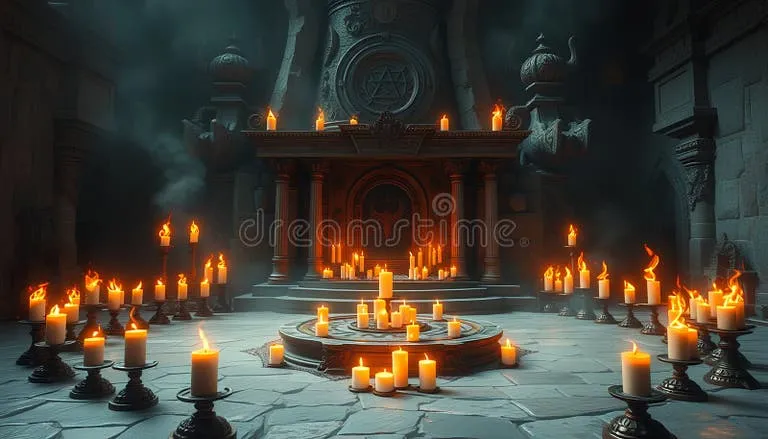
Photo: ornate fantasy temple interior with candles and incense smoke, via thumbs.dreamstime.com
Every adventurer has walked past it: the little shrine two blocks off the main temple row, dedicated to the same god but with slightly different robes, a slightly different liturgy, and a donation box that's suspiciously fuller than the official one. Congratulations — you've found a rogue franchisee.
The great temples would have you believe sect schisms are matters of doctrine, heresy, and cosmic truth. And sure. But spend enough time around divine politics and the pattern gets familiar to anyone who's lived near a franchised coffee chain: corporate brand, local operator, dispute over territory, and a lawsuit written in glowing runes instead of legalese.
The Mother Church Is Corporate HQ
Think of a deity's primary temple — the big one in the capital with the marble columns and the gift shop — as the corporate headquarters. It sets the brand standards. It approves the liturgy. It decides which holy symbols are "on brand" and which ones are a cease-and-desist waiting to happen.
High priests at this level aren't necessarily the most devout people in the faith. They're the ones who understood the org chart. They manage apostolic succession the way a franchise company manages regional managers, and they treat miracles-per-quarter the way a chain treats same-store sales.
This isn't cynical. It's just how organized religion scales. A god with three worshippers can be intimate. A god with three million needs middle management.
Then Someone Opens a Second Location
Here's where it gets interesting for players and DMs alike. Every sect split in fantasy lore follows the same basic script:
- A local leader gets popular. Usually charismatic, usually doing genuinely good work, usually slightly annoyed that half their donations get tithed to a distant cathedral they've never visited.
- They tweak the product. A new hymn here, a localized feast day there, maybe a reinterpretation of the deity's core commandment that plays better with the local crowd.
- HQ notices. An inspector — sorry, a "wandering bishop" — shows up unannounced.
- The letters fly. In-world, these are literally called Letters of Anathema. Functionally, they're termination notices.
- The brand splits. Now there are two temples, one god, and a theological argument that will outlive everyone currently involved.
The War of the Broken Censer from classic tabletop lore is the textbook case: a regional sect of a hearth goddess decided that her domain of "warmth" included the forge, the mother temple disagreed, and within a decade two faiths sharing one deity were burning each other's shrines. Corporate couldn't stop them. The goddess, notably, never picked a side — because from the divine perspective, worship is worship, and both branches were still paying in.
A Field Guide to Sect Licensing
So how do you, a working adventurer, tell what kind of operation you're walking into? Before you accept that quest from the priest, run this checklist:
The licensed franchise. Same holy symbol, same liturgy, tithe receipts available on request. The priest can tell you exactly which cathedral consecrated them and will happily produce documentation. Boring, reliable, and your healing potions come with a warranty.
The approved spin-off. Officially sanctioned but locally run — the "artisanal" branch. Doctrine is close enough, but the deity's domain gets interpreted through regional flavor. A sea god's temple in a mountain town that emphasizes his aspect as "bringer of rain"? That's a spin-off finding market fit.
The unsanctioned operation. No apostolic paperwork. The priest gets evasive when you ask who consecrated them. The doctrine is mostly right, the miracles are mostly real, and the vibes are immaculate. These places often do the most hands-on charity in town — because they're competing for market share and they know it.
The copycat. Here's the scary one. A temple using a famous deity's name and iconography with zero actual connection to that deity. Sometimes it's a scam. Sometimes it's a demon wearing the brand like a knockoff handbag. If the miracles work but the holy symbol feels slightly off — like a logo where the kerning is wrong — leave. Quietly.
When Heresy Outperforms the Brand
The genuinely uncomfortable question — the one mother temples lose sleep over — is what happens when the heretical branch starts doing better.
Doctrinally, heresy gets punished. Practically? If the schismatic temple is healing more sick, feeding more poor, and generating more sincere prayer per capita than the official one, the deity faces an awkward reality: the franchisee is outperforming HQ at the actual mission.
Lore gives us three outcomes. Reabsorption: the mother temple quietly adopts the heretic's innovations and pretends it always taught that way — the theological equivalent of a rebrand. Excommunication with a wink: the heretics are formally anathematized while divine blessings continue flowing to them uninterrupted, an open secret everyone agrees not to mention. The hostile takeover: the heretic leader ascends, dies a martyr, or otherwise becomes so central to the faith that the org chart gets rewritten around them, and suddenly they're corporate.
Notice what's missing: the deity smiting anyone. Gods, it turns out, care less about brand consistency than about throughput.
Using This at Your Table
For players, sect politics is a quest generator that doesn't require a single lich. Escort a church inspector to a rogue temple. Recover the founding relic that would legitimize one branch's claim. Play two sects off each other to extract favors from both.
For DMs, steal the franchise model wholesale. Your pantheon doesn't need more gods — it needs more locations. A schism gives you factions with shared mythology, built-in grudges, and the delicious moral ambiguity of a conflict where nobody's actually worshipping the wrong god. They're just fighting over who gets to use the logo.
And that little fuller donation box on the side street? Maybe check who's actually answering those prayers. Sometimes the rogue branch has a direct line.
Got a sect war brewing in your campaign? Tell us about it — our inbox is a schism-free zone, unlike every temple we've ever written about.